What Tankless Problems
Do We Repair?
We repair the seven tankless water heater problems St. Petersburg homeowners report most:
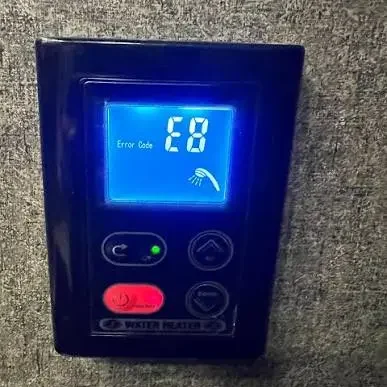
- Displaying error codes on the tankless unit's control panel
- Producing no hot water from the tankless water heater
- Cold water sandwich swings, where tankless hot water turns briefly cold mid-shower
- Low flow caused by scale buildup inside the tankless heat exchanger
- Ignition failure that keeps the tankless burner from lighting
- Flow-sensor faults that stop the tankless unit from detecting demand
- Leaking connections at the tankless water heater's fittings and valves
Scale is the leading cause of tankless water heater faults in Pinellas County, where hard water leaves mineral deposits on the heat exchanger every time the unit fires. Scale buildup narrows the water path, makes the tankless unit run hotter than it should, and eventually triggers the maintenance and error codes covered next. Descaling removes that scale before it causes permanent damage, and it restores flow and temperature stability in the same visit. A tankless water heater that produces no hot water at all usually has an ignition fault, a failed flow sensor, or a closed gas or water valve, and each of those tankless repairs is a same-day fix.
What Do Tankless Error Codes Mean?
Tankless error codes identify the component or condition that shut the unit down, and the same five code families cover most faults on Rinnai, Navien, and the other major tankless brands. The table below lists each tankless code family, what it typically means, and the repair we perform for it.
| Code Family | Typical Meaning | What We Do |
|---|---|---|
| Ignition failure (Rinnai 11, Navien E003) | The tankless burner is not lighting | Test the gas supply, clean or replace the igniter, and verify ignition through full heating cycles |
| Flame failure (Rinnai 12, Navien E004) | The tankless unit loses or misreads its burner flame | Clean the flame rod, check gas pressure, and inspect the sensor wiring |
| Overheat (Rinnai 14, Navien E016) | The tankless heat exchanger is running too hot | Descale the heat exchanger and test the high-limit safety components |
| Scale warning (Rinnai LC, Navien E407) | Mineral scale has built up inside the tankless unit | Perform a full descaling service and reset the code |
| Exhaust or venting (Rinnai 10, Navien E110) | The tankless system's air intake or exhaust is restricted | Clear the venting and verify safe combustion air flow |
This table shows the five tankless error code families we repair most in St. Petersburg; exact code numbers vary by brand and model. Call (727) 855-8080 and read us the code from the display, and we will tell you what it means and what the repair involves before you book, because the phone diagnosis is free.
Do You Descale Tankless
Water Heaters?
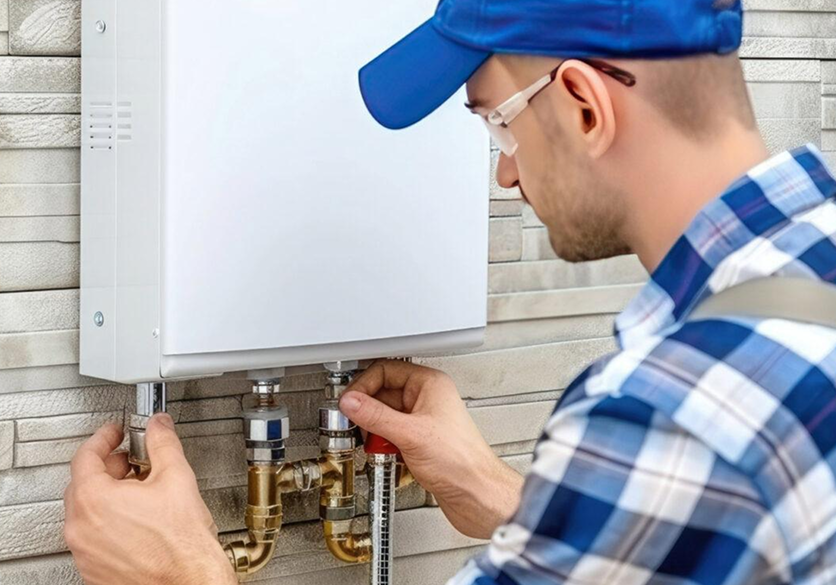
Yes, we descale tankless water heaters, and descaling is the single most important service a tankless unit receives in St. Petersburg. Descaling means circulating a descaling solution or food-grade white vinegar through the heat exchanger by way of the unit's isolation valves until the mineral scale dissolves and flushes out. We recommend descaling a tankless water heater at least annually in Pinellas County, and more often when the home has hard water and no water conditioning system. Regular descaling preserves the tankless water heater's flow rate and protects the heat exchanger, the most expensive component in the unit. Descaling is one part of a complete tankless service visit, so what does the full annual visit include? Water Heater Maintenance & Flush Service in St. Petersburg, FL covers the tune-up that keeps a tankless water heater off this page.
How Much Does Tankless Repair Cost?
Tankless water heater repair typically costs $75 to $1,300 in St. Petersburg, and most homeowners pay $375 to $600 depending on the component that failed and the labor the job requires. A tankless descaling service typically runs $150 to $250, while part replacements cost more: a flow sensor runs $75 to $400 and an ignition repair runs $100 to $800. Our tankless repair estimates are free and given over the phone, pricing is upfront with no hidden fees, and the diagnostic fee is credited toward any repair you approve.
Repair It or Upgrade It?
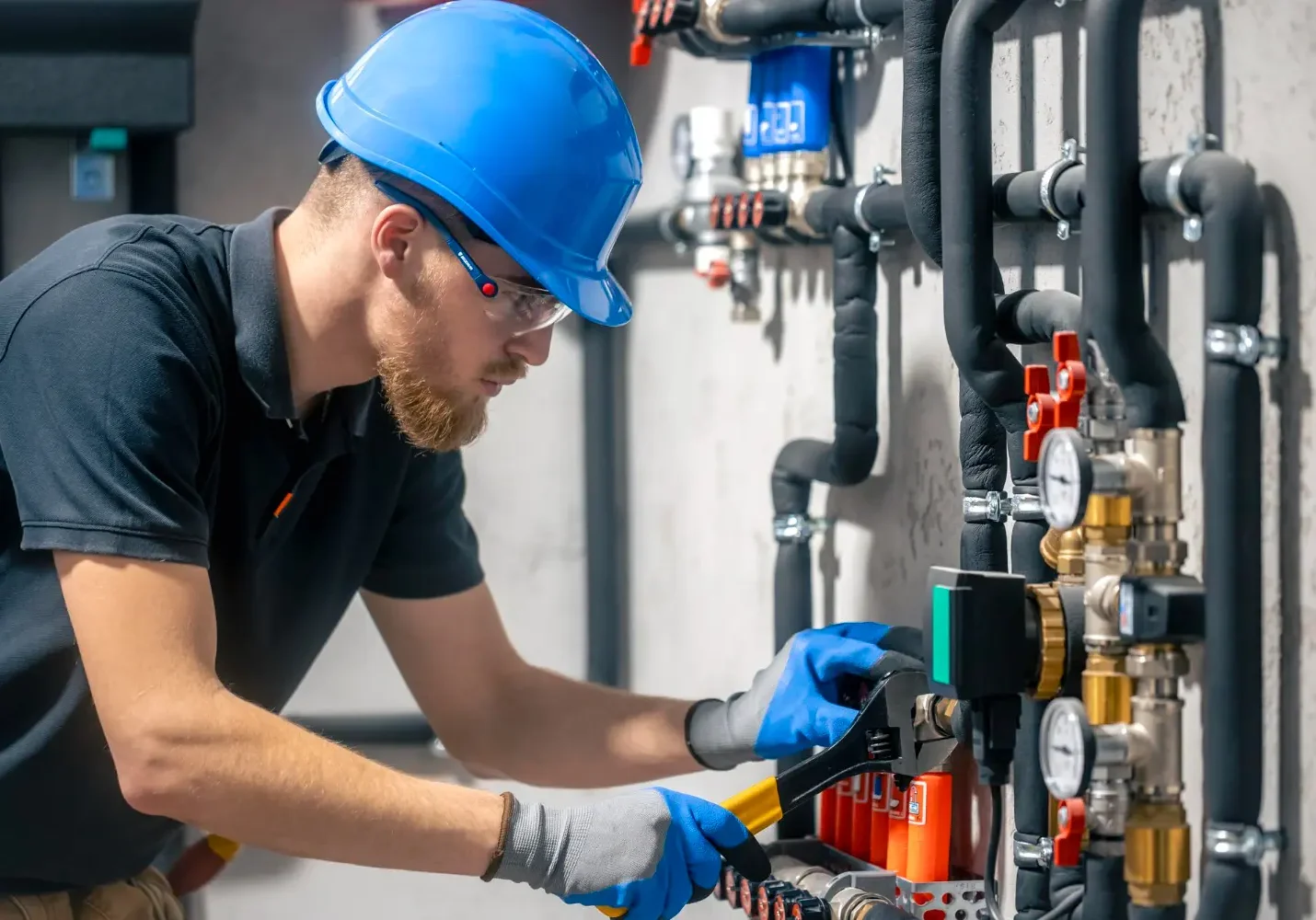
Repair wins for most tankless water heaters, because tankless units last 15 to 20 or more years and a repair in the first 12 years almost always makes better financial sense than replacement. That long service life is the tankless format's core advantage over tank units, so how do the lifespans compare by type? How Long Do Water Heaters Last puts the numbers side by side. Replacement becomes the smarter call for an older tankless water heater when parts are discontinued or hard water has worn the heat exchanger past the point of economical repair. Replacement also deserves a look when a single tankless repair approaches half the cost of a new unit and the heater is well into its second decade. When you call, we weigh three factors before recommending either path: the tankless unit's age, its condition, including hard water wear, and a water demand analysis of your household's fixtures and usage. A tankless unit that can no longer keep up with your home's demand gets an upgrade recommendation even when a repair could keep it running.
Florida Water Heater Pros repairs all tankless water heater brands, including Rinnai, Navien, Rheem, A.O. Smith, and EcoSmart.