
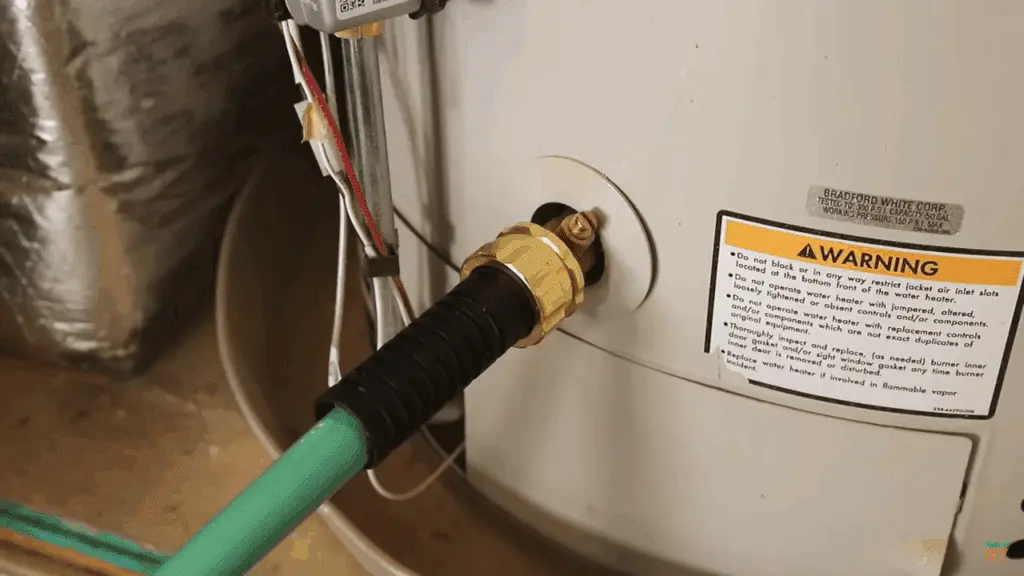
Flushing a water heater removes loose sediment and mineral deposits that collect at the bottom of a storage tank. The process generally involves shutting down the heating system, allowing the water to cool, connecting a hose to the drain valve, and draining water until the sediment clears. However, the correct procedure depends on whether you have an electric or gas water heater, its condition, and the manufacturer’s instructions.
For homeowners in St. Petersburg, Clearwater, and throughout Pinellas County, water heater maintenance is particularly important when the water supply contains elevated levels of dissolved minerals. Mineral content varies across local water supplies, but calcium, magnesium, and other deposits can accumulate inside storage tank water heaters over time.
Sediment buildup may contribute to popping or rumbling noises, reduced heating performance, and additional stress on heating components. Regular flushing can help remove loose deposits before they become difficult to manage.
But what if your water heater hasn’t been flushed in three years? Is it too late to start? And what happens if you never flush your water heater?
This guide explains how water heater flushing works, the steps involved, when professional service is recommended, and how to determine whether an older water heater is suitable for flushing.
Florida Water Heater Pros provides water heater inspections, flushing, and maintenance services throughout Pinellas County, Florida.
Need help flushing your water heater? Call Florida Water Heater Pros at 714-686-1649 to request professional maintenance or a free phone estimate.
What Does Flushing a Water Heater Do?
Flushing a water heater helps remove loose sediment, mineral particles, and debris that accumulate inside a storage tank.
As water enters the heater, dissolved minerals and small particles may settle at the bottom of the tank. Heating can also encourage certain dissolved minerals to form deposits.
Over time, these materials may create a layer of sediment around the heating surfaces.
Flushing allows water and loose debris to exit through the tank’s drain valve.
Why Is Sediment Removal Important?
Sediment can affect water heater operation in several ways.
In gas water heaters, mineral deposits may collect near the bottom of the tank, where heat is transferred from the burner.
In electric water heaters, mineral buildup may accumulate around heating elements and other internal surfaces.
Heavy deposits can interfere with heat transfer, contribute to unusual noises, and affect heating performance.
Removing loose sediment may help maintain normal operation, although flushing cannot reverse corrosion or repair damaged components.
Does Flushing Remove All Sediment?
Not always.
A standard flush may remove loose particles but leave behind hardened mineral deposits.
The amount removed depends on the water heater’s design, sediment condition, drain valve, and flushing procedure.
If deposits have hardened or the drain valve is blocked, additional professional evaluation may be necessary.
How to Flush a Water Heater: Step-by-Step Instructions
Before starting, read the manufacturer’s maintenance instructions for your specific water heater. The following steps describe a general process for conventional storage tank water heaters. Some models require different procedures, and not every water heater is suitable for homeowner flushing.
Water inside the tank can be hot enough to cause serious burns. Draining the tank also involves pressurized plumbing and gas or electrical equipment.
If the water heater is leaking, heavily corroded, damaged, or has not been maintained for several years, arrange a professional inspection before attempting to flush it.
Step 1: Turn Off the Water Heater’s Heating Source
The first step is to stop the water heater from actively heating water.
For electric water heaters: Follow the manufacturer’s instructions for disconnecting electrical power at the appropriate breaker or disconnect.
Electric heating elements must not operate while exposed to air, as dry firing can damage them.
For gas water heaters: Follow the manufacturer’s instructions for placing the gas control in the appropriate maintenance or shutdown position.
Do not modify gas piping, bypass safety controls, or attempt to disassemble gas components.
If you are unsure how to shut down the equipment safely, contact a qualified professional.
Step 2: Allow the Water to Cool
Water inside a storage tank may be hot enough to cause burns.
Allow sufficient time for the water to cool before draining, following the manufacturer’s instructions.
Do not assume the water is safe to handle simply because the heating system has been turned off.
Use caution around the drain valve, hose, and discharge area.
Step 3: Shut Off the Cold Water Supply
Locate the cold water supply valve connected to the water heater.
Follow the manufacturer’s instructions for closing the supply when preparing to drain the tank.
Some flushing procedures involve controlled water flow through the tank, while others require draining before refilling.
The correct method depends on the equipment and maintenance instructions.
Step 4: Connect a Hose to the Drain Valve
Most conventional storage tank water heaters have a drain valve near the bottom of the tank.
Attach a suitable hose that can safely handle the expected water temperature.
Route the hose to an appropriate drainage location.
Make sure the discharge point can handle the water volume and that the hose is secure.
Do not discharge hot water where it could injure people, damage landscaping, or enter an unsuitable drainage area.
Step 5: Open a Hot Water Faucet if Directed
Some manufacturer procedures call for opening a hot water faucet to help relieve pressure or allow air into the system during draining.
Follow the instructions for your specific model.
Opening a faucet does not automatically eliminate all pressure or make the water safe to handle.
If you are uncertain about the procedure, stop and contact a professional.
Step 6: Open the Drain Valve Carefully
Once the equipment is safely shut down and the hose is connected, follow the manufacturer’s instructions for opening the drain valve.
Water may begin flowing through the hose.
The initial discharge may contain sediment, mineral particles, or discolored water.
Do not force a drain valve that is stuck or difficult to operate.
Older plastic valves and corroded components may break or begin leaking if excessive force is applied.
If the valve will not open normally, arrange professional service.
Step 7: Flush Loose Sediment From the Tank
Follow the manufacturer’s recommended flushing procedure.
Depending on the model, this may involve allowing controlled cold water flow through the tank to help carry loose sediment toward the drain.
Continue only as directed and while the drainage system remains secure.
Water may initially appear cloudy or contain visible particles.
The goal is to remove loose sediment without damaging the tank, drain valve, or plumbing connections.
If water stops flowing unexpectedly, the valve becomes blocked, or the equipment begins leaking, stop the procedure.
Do not insert tools into the drain valve or attempt to force hardened deposits through the opening.
Step 8: Close the Drain Valve
After completing the recommended flushing procedure, close the drain valve according to the manufacturer’s instructions.
Check that it closes properly and does not leak.
Remove the hose only when it is safe to do so.
If the valve continues dripping or cannot close securely, contact a qualified plumber.
Step 9: Refill the Water Heater
Follow the manufacturer’s instructions for restoring the cold water supply and refilling the tank.
Air may need to be released through an appropriate hot water faucet.
Confirm that the tank is completely filled before restoring electrical heating.
Never energize an electric water heater with an empty or partially filled tank. Doing so can damage the heating elements.
Check accessible connections and the drain valve for leaks.
Step 10: Restore Normal Operation
Once the tank has been properly refilled and checked, follow the manufacturer’s instructions for restoring the heating system.
For gas water heaters, use the manufacturer’s approved lighting or operating procedure.
For electric water heaters, restore electrical power only after confirming that the tank is full.
Monitor the equipment for leaks, unusual noises, or other operating problems.
If the water heater does not operate normally, contact a qualified professional.
How Often Should You Flush a Water Heater?
Many storage tank water heaters benefit from periodic flushing, but the correct frequency depends on the manufacturer’s instructions, water quality, and equipment condition.
Some manufacturers recommend annual maintenance, while others provide different procedures or schedules.
Homes with higher mineral content may require more frequent inspection.
In Pinellas County, homeowners should consider their specific water supply, water heater model, and maintenance history rather than assuming every property has the same water hardness.
Should You Flush a Water Heater Every Year?
Annual flushing is a common maintenance recommendation for many conventional storage tank systems.
However, it is not a universal requirement for every water heater.
Review the manufacturer’s maintenance schedule and consult a plumber if you are unsure.
What if Your Home Has Hard Water?
Hard water contains elevated levels of dissolved calcium and magnesium.
These minerals can form scale when heated.
If your home has hard water, sediment and scale may accumulate more quickly.
Water testing can help determine whether hardness is contributing to equipment problems.
Do New Water Heaters Need Flushing?
New water heaters should be maintained according to their manufacturer’s recommendations.
Beginning an appropriate maintenance routine early may help prevent loose sediment from accumulating over time.
However, homeowners should not perform unnecessary draining or flushing procedures that conflict with manufacturer instructions.
Is Three Years Too Late to Flush a Water Heater?
Not necessarily. A water heater that has not been flushed in three years may still benefit from maintenance, but its condition should be evaluated before draining.
The main concern is whether sediment has accumulated, hardened, or contributed to corrosion and component deterioration.
If the water heater is relatively new, shows no signs of leakage, and remains in good condition, a professional may determine that flushing is appropriate.
However, if the equipment has heavy sediment, a damaged drain valve, or visible corrosion, additional precautions may be needed.
What Happens if You Flush a Water Heater After Three Years?
Several outcomes are possible.
Loose sediment may drain from the tank, improving normal operation.
Some deposits may remain because they have hardened or settled in areas that are difficult to flush.
In older or deteriorated equipment, existing problems may become apparent during maintenance, such as a drain valve that no longer seals properly.
Flushing itself does not create internal corrosion, but maintenance may reveal damage that was already present.
A professional can assess whether flushing is appropriate before beginning.
Should You Flush a Water Heater That Has Never Been Flushed?
If a water heater has never been flushed, the safest approach is to have its condition evaluated first.
This is particularly important when the equipment is older, makes loud rumbling noises, has visible corrosion, or has an uncertain maintenance history.
A plumber may recommend flushing, limited maintenance, further inspection, or replacement depending on the condition of the system.
Avoid forcing a drain valve or attempting aggressive cleaning to remove hardened deposits.
What Happens if You Never Flush Your Water Heater?
Skipping maintenance does not mean a water heater will immediately fail.
However, sediment can continue accumulating inside the tank, especially when the water contains minerals that form deposits during heating.
Over time, excessive sediment may affect heating performance and contribute to equipment problems.
Sediment Can Reduce Heating Efficiency
A thick layer of deposits may interfere with heat transfer.
The water heater may need to operate longer to heat the stored water, depending on the equipment and extent of buildup.
Popping and Rumbling Noises May Develop
Water trapped beneath sediment can create popping or rumbling sounds as it heats.
These noises may become more noticeable as deposits accumulate.
Hot Water Performance May Decline
Heavy sediment can reduce usable tank volume and affect heating performance.
Homeowners may notice that hot water runs out sooner than expected.
However, insufficient hot water can also result from undersized equipment, damaged heating elements, or other problems.
Heating Components May Experience Additional Stress
Mineral buildup can affect heating surfaces and contribute to component problems.
In electric water heaters, scale may accumulate around heating elements.
In gas water heaters, heavy sediment can interfere with heat transfer through the bottom of the tank.
Maintenance May Become More Difficult
Loose sediment is generally easier to remove than hardened deposits.
When buildup remains for extended periods, a standard flush may become less effective.
Professional evaluation may be necessary to determine the next step.
How Do You Know if Your Water Heater Needs Flushing?
Several symptoms may suggest sediment accumulation.
Common warning signs include:
- Popping or rumbling during heating cycles
- Reduced hot water performance
- Cloudy or discolored water
- Visible sediment during draining
- Longer heating times
- An extended period without maintenance
These symptoms do not confirm sediment buildup by themselves.
A water heater may have other problems that produce similar signs.
For example, rusty water may originate from plumbing corrosion, while insufficient hot water may result from a heating element or thermostat problem.
A professional inspection can help identify the actual cause.
Can Flushing Fix a Water Heater That Makes Noise?
Flushing may reduce popping and rumbling when loose sediment is responsible.
As mineral deposits collect at the bottom of a storage tank, water can become trapped beneath them.
During heating, these pockets may produce popping or rumbling sounds.
Removing loose sediment may reduce the noise.
However, flushing may not resolve sounds caused by hardened deposits, water pressure problems, loose piping, or damaged components.
If the noise continues after appropriate maintenance, further inspection may be needed.
Does Flushing a Water Heater Improve Efficiency?
Flushing can help maintain normal heat transfer when sediment buildup is affecting the system.
However, the amount of improvement depends on the water heater’s condition and how much sediment is present.
A lightly used water heater with minimal deposits may show little noticeable change.
A system with substantial loose sediment may benefit more from appropriate maintenance.
Flushing should not be treated as a guaranteed way to reduce utility bills.
Energy consumption also depends on equipment efficiency, household hot water demand, thermostat settings, and other operating conditions.
How Long Does It Take to Flush a Water Heater?
The time required depends on tank capacity, water temperature, sediment accumulation, drain valve condition, and the manufacturer’s procedure.
A tank with minimal sediment and a functioning drain valve may be easier to service than an older system with heavy buildup.
Cooling the water, safely shutting down the equipment, draining, flushing, refilling, and checking operation can all affect the total service time.
If the drain valve is restricted or repairs are needed, maintenance may take longer.
Florida Water Heater Pros can evaluate the equipment and explain the recommended work before service begins.
How Much Does Water Heater Flushing Cost in Florida?
Water heater flushing costs vary based on equipment type, tank size, accessibility, maintenance history, and the work required.
A standard maintenance visit may differ from a service call involving a blocked drain valve, heavy sediment, or other equipment problems.
Additional repairs may be recommended if worn or damaged components are discovered during inspection.
Florida Water Heater Pros provides free phone estimates and upfront pricing based on the available project information.
Final pricing depends on the condition of the water heater and the recommended service.
Homeowners can contact the team to discuss their equipment type and maintenance concerns before scheduling an appointment.
Can You Flush a Tankless Water Heater?
Tankless water heaters require a different maintenance process from conventional storage tank systems.
Because tankless units heat water as it flows through the equipment, they do not collect sediment at the bottom of a large storage tank in the same way.
However, mineral scale can accumulate inside the heat exchanger.
What Is Tankless Water Heater Descaling?
Descaling involves circulating a manufacturer-approved cleaning solution through the appropriate parts of the system to remove mineral buildup.
The procedure may require service valves, a circulation pump, hoses, and approved cleaning products.
Not every tankless water heater uses the same maintenance procedure.
Homeowners should follow the manufacturer’s instructions or arrange professional service.
How Often Should You Descale a Tankless Water Heater?
Descaling frequency depends on the manufacturer, water hardness, and household usage.
Some systems may need more frequent maintenance when mineral content is high.
A plumber can recommend an appropriate schedule based on the equipment and water conditions.
Is Water Heater Flushing Different for Gas and Electric Models?
The purpose of flushing is similar for gas and electric storage tank water heaters: removing loose sediment from the tank.
However, the shutdown and restart procedures differ.
Electric Water Heater Flushing
Electric water heaters use heating elements that must remain submerged during operation.
Electrical power must be disconnected according to the manufacturer’s instructions before draining.
The tank must be completely refilled before power is restored.
Operating exposed heating elements can cause damage.
Gas Water Heater Flushing
Gas water heaters use burners and gas controls.
The equipment must be placed in the appropriate shutdown or maintenance condition before draining.
After flushing, the system must be returned to service according to the manufacturer’s instructions.
Homeowners should not modify gas controls or attempt repairs involving gas components.
When Should You Call a Professional for Water Heater Flushing?
Professional service is recommended when the water heater has an uncertain maintenance history, visible deterioration, or problems that make draining difficult.
Contact a qualified plumber if:
- The water heater has never been flushed.
- Several years have passed since the last maintenance.
- The drain valve is stuck or leaking.
- The tank makes loud popping or rumbling noises.
- Water appears rusty or contains visible debris.
- The water heater has corrosion or signs of leakage.
- The system does not produce enough hot water.
- You are unsure how to shut down or restart the equipment safely.
A professional can evaluate the water heater before determining whether flushing is appropriate.
Florida Water Heater Pros provides water heater maintenance and flushing services in St. Petersburg, FL for homeowners throughout Clearwater and Pinellas County. Our licensed and insured team can inspect sediment-related problems, perform appropriate maintenance, and recommend repairs when necessary.
Can Flushing Extend the Life of a Water Heater?
Appropriate maintenance may help reduce certain problems associated with sediment accumulation.
However, flushing cannot guarantee a specific equipment lifespan.
Water heater longevity depends on several factors, including water quality, installation conditions, equipment design, usage, corrosion protection, and maintenance history.
A water heater with severe internal corrosion may still require replacement even after sediment is removed.
Regular maintenance is one part of keeping the equipment in suitable operating condition.
How Can Pinellas County Homeowners Reduce Sediment Buildup?
Homeowners can take several steps to manage sediment-related problems.
Follow the Manufacturer’s Maintenance Schedule
Use the recommended maintenance procedures for your specific water heater.
Different equipment types and brands may have different requirements.
Monitor Water Quality
If your home has hard water, mineral deposits may accumulate more quickly.
Water testing can help determine whether treatment or additional maintenance is appropriate.
Pay Attention to Unusual Noises
Persistent popping or rumbling may indicate sediment buildup.
Arrange an inspection rather than waiting for the noise to become severe.
Check for Visible Leaks
Look for moisture around accessible plumbing connections and the base of the water heater.
If you notice active leaking, contact a professional.
Schedule Periodic Inspections
Professional inspections can help identify sediment, corrosion, worn components, and other maintenance concerns.
The appropriate frequency depends on the equipment and manufacturer guidance.
Frequently Asked Questions About Flushing a Water Heater
How do you flush a water heater?
The general process involves safely shutting down the heating source, allowing the water to cool, connecting a hose to the drain valve, and following the manufacturer’s draining and flushing procedure. The tank must be properly refilled before heating is restored.
How often should you flush a water heater?
Follow the manufacturer’s maintenance schedule. Annual flushing is commonly recommended for many storage tank systems, but the appropriate frequency depends on water quality, equipment condition, and model requirements.
Is three years too late to flush a water heater?
Not necessarily. A water heater that has not been flushed in three years may still benefit from maintenance, but its condition should be evaluated before draining.
What happens if you never flush your water heater?
Sediment may accumulate over time, potentially contributing to popping noises, reduced heating performance, and additional stress on certain components.
Should you flush a water heater that has never been flushed?
Have the equipment evaluated first, particularly if it is older or shows signs of corrosion, leakage, or heavy sediment buildup.
Can flushing damage an old water heater?
Flushing does not cause existing internal corrosion, but maintenance may reveal deteriorated components or drain valve problems. Older equipment should be evaluated before service.
Will flushing stop water heater popping noises?
It may reduce popping when loose sediment is responsible. Hardened deposits or other equipment problems may require additional attention.
How long does it take to flush a water heater?
The time varies based on tank size, water temperature, sediment buildup, drain valve condition, and the manufacturer’s procedure.
Can you flush a water heater without turning it off?
Follow the manufacturer’s shutdown instructions. Electric heating elements must not operate while exposed to air, and gas equipment must be handled according to its approved maintenance procedure.
Do tankless water heaters need flushing?
Tankless systems may require periodic descaling to remove mineral buildup from the heat exchanger. The procedure differs from flushing a storage tank.
Does Florida Water Heater Pros provide water heater flushing in Clearwater?
Florida Water Heater Pros provides water heater maintenance and troubleshooting services throughout Clearwater, St. Petersburg, and Pinellas County. Contact the team to discuss flushing and inspection options.
Schedule Professional Water Heater Flushing in Pinellas County
Sediment buildup can affect water heater performance, contribute to popping and rumbling noises, and make maintenance more difficult when deposits remain inside the tank for extended periods.
Regular flushing may help remove loose sediment, but the correct procedure depends on the water heater’s condition and manufacturer requirements.
Florida Water Heater Pros provides water heater inspections, flushing, maintenance, repairs, and replacements throughout St. Petersburg, Clearwater, Largo, Dunedin, Palm Harbor, Safety Harbor, Pinellas Park, and surrounding Pinellas County communities.
Our licensed and insured plumbing team can evaluate your water heater, identify sediment-related problems, and explain the recommended maintenance. We work with electric, natural gas, propane, tankless, and heat pump water heaters.
Whether your water heater needs routine flushing, a drain valve inspection, or additional troubleshooting, our team provides upfront pricing based on the work required.
Request a Water Heater Maintenance Estimate
Has it been years since your water heater was last flushed? Don’t wait for sediment buildup to affect your hot water.
Call Florida Water Heater Pros at 714-686-1649 to request professional water heater flushing, maintenance, or get a free phone estimate.
We serve homeowners and businesses throughout St. Petersburg, Clearwater, and Pinellas County, Florida.
Florida Water Heater Pros
Phone: 714-686-1649
Service Area: St. Petersburg, Clearwater, and Pinellas County, FL
Florida Plumbing License: CFC1432953
Licensed and Insured
Registered DBA: Pop Leland Plumbing
